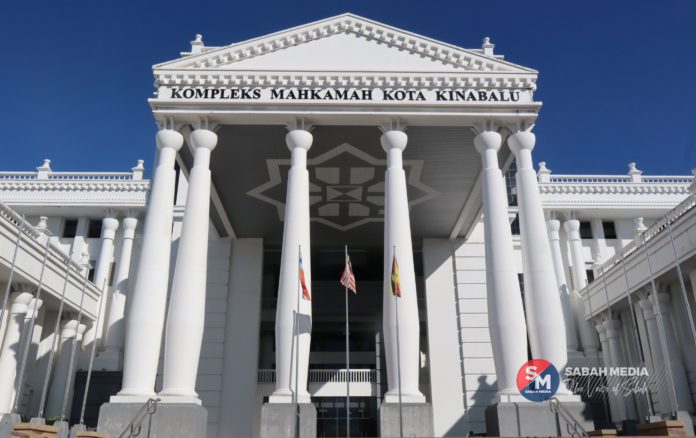
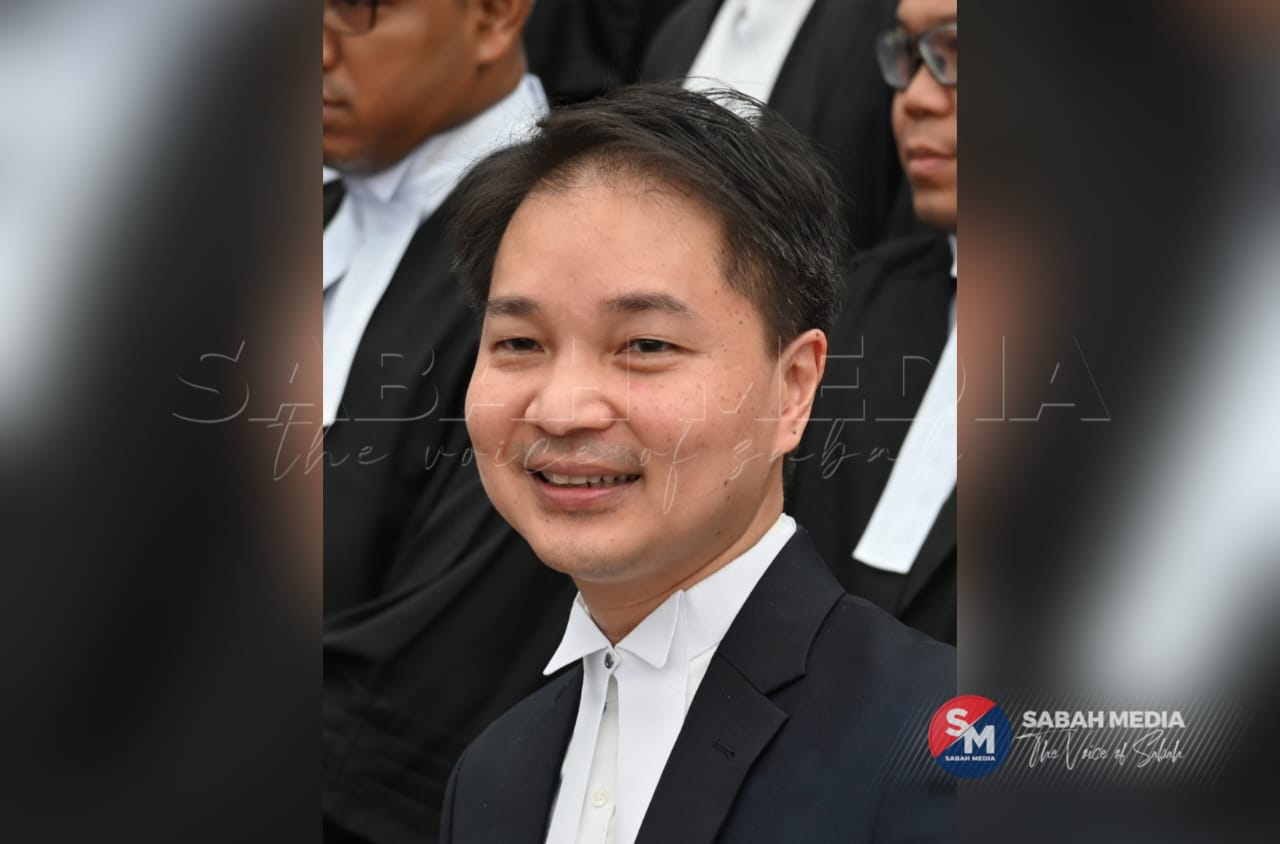
KOTA KINABALU: The Court of Appeal yesterday heard arguments over how and when Sabah’s 40 % revenue entitlement should be reviewed and implemented, said appointed assemblyman Datuk Roger Chin.
“Yesterday’s hearing at the Court of Appeal Malaysia was not about whether Sabah is entitled to the 40% — that point was not being challenged. Instead, the real fight was about how and when that entitlement is to be reviewed and implemented,” he said in a Facebook post.
Roger explained that what actually happened in court, in plain terms, is that the Federal Government, as the appellant, is asking for a stay of the High Court order. Their argument is not that there should be no review — they accept that a review must happen.
“What they are challenging is the timeline imposed by the High Court, which they say is too tight given the volume of financial records, and the mechanics of the review, which they say must follow constitutional provisions, including considerations like federal finances and prescribed processes.
“They also argue that if they are forced to comply now — especially where payment is involved — their appeal could become meaningless (“nugatory”),” he said.
He added that the Sabah Law Society, as the first respondent, took a very different stance.
“SLS’s key points, among others, are: this is the wrong application in the wrong court. The Federal Government should have gone back to the High Court, not straight to the Court of Appeal; what the Federal Government really wants is more time, not a stay. The proper remedy is an extension of time, not halting the order entirely.
“A stay would actually stop the review process, which the Federal Government has already started and agreed to undertake. Therefore, the ‘nugatory’ argument doesn’t hold — the process is already ongoing.
“They also made it clear that the issue isn’t the 40% itself, but ensuring the review proceeds as ordered,” he said.
Roger said the Sabah State Government, as the second respondent, largely aligned with the SLS.
“The Federal Government should have applied to the High Court first; there is no real risk of the appeal being rendered nugatory; and parties are already working towards an agreement, so a stay is unnecessary.
“Again, if time is the issue — apply for an extension, not a stay. They also took the position that the High Court order does not necessarily require payment within 180 days, but first requires an agreement to be reached,” said Roger.
According to Roger, the court repeatedly pressed all parties on several points, questioning whether the dispute is really about time, why not just apply for an extension; why wasn’t the stay application made earlier; whether the Federal Government is actually challenging just the timeline — or the entire mechanics of the review; and importantly, does granting a stay halt the very review process everyone agrees must happen.
“The Court did not decide on the spot. They said they need time to consider the issues and will deliver their decision next week.
“The real issue is whether the Federal Government can pause the High Court’s order — or whether they must continue the review process (and if needed, seek more time properly through the High Court),” he said.