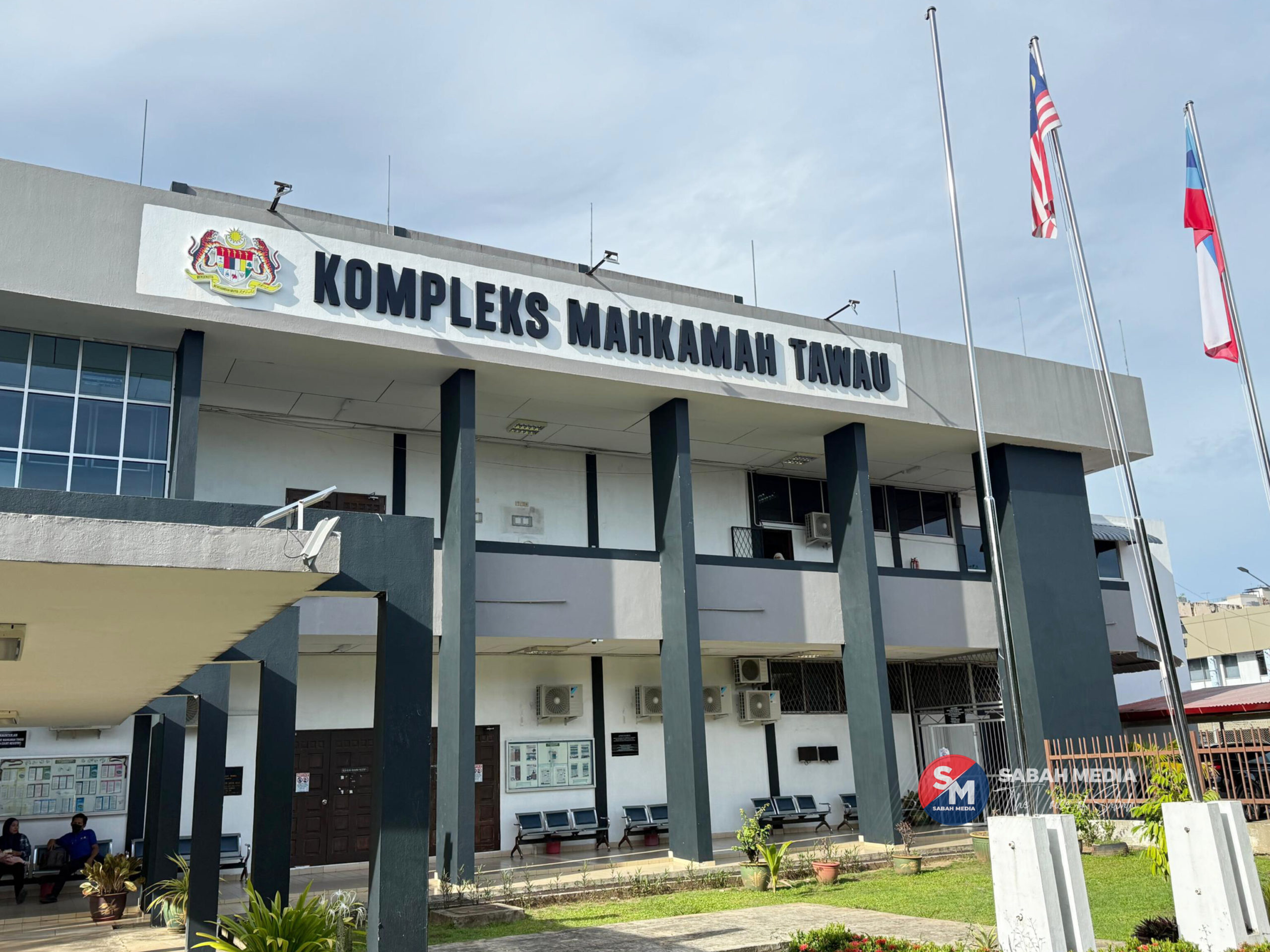
TAWAU: The High Court here continued hearing the civil dispute involving AuMas Resources Berhad (AuMas), Wullersdorf Resources Sdn Bhd (WRSB) and Southsea Gold Sdn Bhd (Southsea), with further testimony heard over three days from June 24 to 26 from the plaintiff’s fourth witness, Wong Ji Yung.
Wong, the former Chief Operating Officer (COO) and current Chief Financial Officer (CFO) of AuMas and WRSB, was cross-examined before Judicial Commissioner Steve Ritikos on issues relating to WRSB’s responsibilities within the mining project and allegations concerning 41 semi-refined gold bars (gold dore).
Earlier in the trial in May, Wong acknowledged that WRSB does not hold an Environmental Impact Assessment (EIA) approval under its own name. However, he maintained that the company’s operations are lawful as WRSB operates under the project’s approved EIA registered to Southsea through a Memorandum of Agreement (MOA), under which Southsea extended the benefit of the EIA approval to WRSB.
During cross-examination, Wong maintained that WRSB’s responsibilities extended across the project’s boundary, which he said was defined by the approved EIA and the Operational Mining Scheme (OMS).
Counsel Andy Tay, representing the opposing party, challenged that position, arguing that WRSB’s rights and obligations should be limited to the sub-leased area and questioned whether the MOA extended the company’s responsibilities beyond that boundary.
Wong disagreed, testifying that as the project operator, WRSB was responsible for the entire area covered by the approved EIA. He said any enforcement action affecting the EIA area would directly impact mining operations and the company’s commercial interests.
The hearing also focused on the analytical basis and evidence supporting allegations involving the disappearance of 41 gold dore bars before the change in management.
Responding to questions from the defence, Wong said his witness statement was based on his own analysis of company documents, photographs and related materials after joining the company, rather than solely on information provided by others.
He testified that his analysis identified alleged discrepancies between serial numbers recorded on invoices and those shown in photographs of certain gold dore bars.
The defence also questioned the absence of access logs, biometric records, key registers and CCTV footage that could indicate whether any individual exercised exclusive control over the gold room and production records.
Wong agreed that, to his understanding, such systems were not in place during the relevant period. He also acknowledged that other employees and third parties may have had access to operational areas, although he could not confirm this as he was not employed by the company when the events occurred. Nevertheless, he maintained that those in charge ultimately bore responsibility and accountability.
When it was suggested that the allegations against certain individuals were speculative, Wong disagreed, stating that his conclusions were based on circumstantial evidence.
The proceedings also examined the meaning of the term “missing” in relation to the 41 gold dore bars, including whether it referred to stolen gold or gold that had been produced but was not recorded as sales or inventory.
Wong testified that his analysis indicated there was evidence the gold bars had been produced but were not reflected in the company’s accounts.
The defence further raised the absence of a joint stocktake during the management handover. Wong rejected the suggestion that this undermined his analysis, explaining that the alleged irregularities dated back to 2019 and that, if the 41 gold dore bars had existed as inventory, they should have been reflected in the company’s financial statements before the change in management.
The trial is scheduled to resume at the Tawau High Court from July 6 to 10.