By Muktajal Yacob
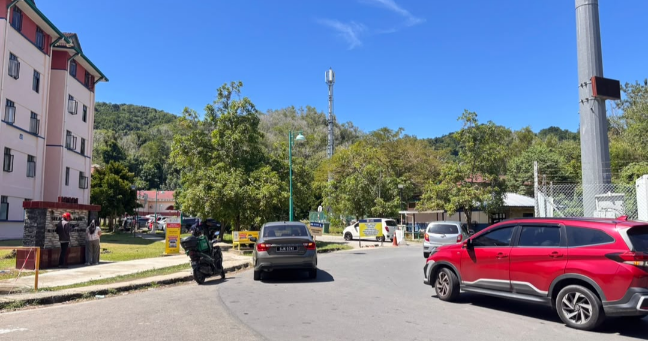
KOTA KINABALU: Universiti Malaysia Sabah (UMS) students have raised concerns regarding fluctuating fares and passenger safety when using informal Telegram based e-hailing services on campus.
To assess the student experience, an online survey was conducted among campus users of the service.
According to the findings, 55 per cent of respondents reported that the fares were difficult to afford on a limited monthly student budget.
Based on respondent feedback, short trips within the campus such as from Kolej Kediaman Tun Pengiran Ahmad Raffae to various facultie typically cost between RM5 and RM6.
Meanwhile, rides to nearby commercial areas like 1Borneo Hypermall generally range from RM5 to RM8, particularly during peak hours or inclement weather.
The survey also indicated that passengers are frequently quoted inconsistent rates for identical routes, making it challenging for students to budget their daily transportation expenses.
UMS student Dennyed Izat Ifwan noted that the lack of fixed pricing has impacted his weekly allowance.
“It’s frustrating when the price changes every time for the exact same route. As a student on a tight budget, it really adds up,” he said.
Similarly, Azrin Amir, a first-year student residing at Kolej Kediaman Tun Mustapha, expressed support for standardized pricing after previously being charged RM5 for a short inter-college trip from Kolej Kediaman Tun Pengiran Ahmad Raffae.
When contacted regarding the price variations, a Telegram e-hailing driver who asked to be identified only as Kimi Afuq explained that the rates are not regulated by an automated system.
“Unlike commercial apps like Grab, Telegram e-hailing operates on a manual bidding or negotiated basis. Fares differ depending on fuel costs, traffic congestion inside and outside UMS, waiting times, and the distance a driver has to travel just to pick up the passenger,” he said, adding that heavy rain also contributes to higher charges.
Beyond pricing, 87 per cent of survey respondents emphasized the need for stronger passenger safety protocols.
To address both issues, respondents suggested that the university administration collaborate with the Telegram service operators to establish standardized fare guidelines, improve service quality, and create a formal channel for lodging complaints.