Featured – Sabah Media https://sabahmedia.com The Voice of Sabah Fri, 16 Aug 2024 06:58:15 +0000 en-US hourly 1 https://wordpress.org/?v=7.0.4 https://sabahmedia.com/wp-content/uploads/2024/04/cropped-s_icon-32x32.png Featured – Sabah Media https://sabahmedia.com 32 32 189073890 Science & Technology Relations, Trade & Commerce between Iran – Malaysia https://sabahmedia.com/2024/08/16/science-technology-relations-trade-commerce-between-iran-malaysia/ https://sabahmedia.com/2024/08/16/science-technology-relations-trade-commerce-between-iran-malaysia/#respond Fri, 16 Aug 2024 06:33:34 +0000 https://sabahmedia.com/?p=59127
Read Time:5 Minute, 25 Second

By JAMES LEONG

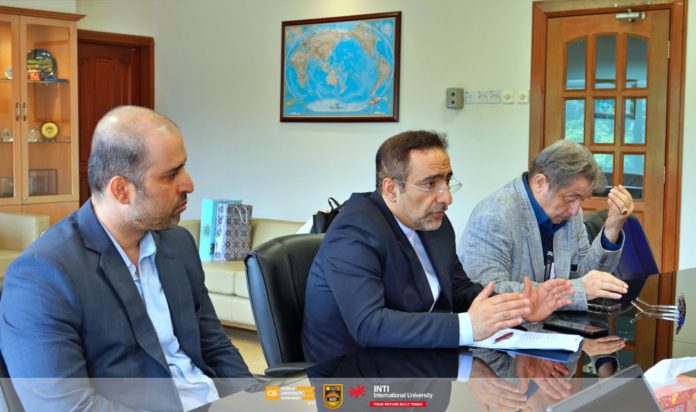
Dr Mohsen Saraf is the Scientific and Technological Counsellor of Islamic Republic of Iran in Malaysia, Southeast and Oceania, overseeing Iranian students in Southeast Asia and the Pacific region.

Dr Mohsen Saraf

He has been based in Malaysia for about a year. His role involves fostering scientific and technological collaboration between Iran and the countries in our mission region.

This includes liaising with institutes, universities, research centers, and government organizations responsible for education and research.

Trade and Commerce

When discussing trade and commerce, it’s essential to first address and correct the perceptions and mutual understanding between our nations.

Over the past decade, we have conducted more than 30,000 interviews in Malaysia, allowing me to become well-acquainted with the characteristics of this country.

However, there remains a significant need for the Malaysian people, government, and leaders to gain a deeper and more accurate understanding of Iran.

Correcting misconceptions requires increased travel, student and professor exchanges, and the organization of cultural, religious, scientific, and commercial events.

We believe that economic exchanges between our countries could reach several tens of billions of dollars due to our many cultural similarities.

However, some of our global and regional competitors are deliberately obstructing this strategic relationship through propaganda and influencing certain institutions.

As of 2022, the trade exchange between Malaysia and Iran amounted to approximately RM3.68 billion (about USD 790 million), reflecting a significant increase of 40.2% from the previous year.

This trade primarily includes Malaysia’s exports of palm oil, other vegetable oils, and rubber to Iran, and Iran’s exports of mollusks, tropical fruits, and precious metal scraps to Malaysia.

To further expand their economic relationship, Malaysia and Iran can explore several key areas of cooperation:

Energy Sector

Given Iran’s significant oil and gas reserves, Malaysia can benefit from stable energy supplies through long-term agreements.

Malaysia’s expertise in oil and gas technology can also be beneficial for Iran’s energy sector, fostering joint ventures and technology transfers.

Petrochemicals: Both countries can collaborate in the petrochemical industry. Iran’s vast hydrocarbon resources and Malaysia’s advanced petrochemical technology can lead to the establishment of joint petrochemical plants and refineries.

Agriculture and Food Security: Malaysia can increase its import of agricultural products such as tropical fruits, nuts, and spices from Iran, while exporting palm oil and rubber.

Collaborating on food security initiatives and agricultural technology can benefit both nations. We have a concrete plan to expand scientific and technical cooperation with Malaysian states that show growth potential, such as Sabah and Sarawak.

Based on our research, we see the opportunity for a strong agricultural partnership with these states in the following areas:

Research and Development (R&D) Collaboration Joint Research Projects:

▲Joint Research Projects: Establishing joint research programs focusing on areas like precision agriculture, sustainable farming practices, crop biotechnology, and climate-resilient agriculture.
▲Innovation Hubs: Creating joint innovation hubs or centers dedicated to agricultural technology where researchers from both countries can collaborate on cutting-edge projects.
Technology Transfer and Knowledge Sharing
▲Exchange Programs: Facilitating exchange programs for scientists, researchers, and students to share knowledge and best practices in advanced agricultural technologies.
▲Workshops and Conferences: Organizing international workshops, seminars, and conferences to discuss the latest trends and advancements in agriculture technology.
Sustainable Farming Practices
▲Organic Farming: Promoting the adoption of organic farming techniques and sharing best practices for sustainable agriculture.
▲Water Management: Collaborating on efficient water management systems and technologies, crucial for both countries’ agricultural sectors.
Precision Agriculture
▲IOT and Sensors: Implementing Internet of Things (IoT) devices and sensors in farms to monitor crop health, soil conditions, and weather patterns for optimized farming.
▲Data Analytics: Using big data and analytics to enhance decision-making in farming practices, improving crop yields and reducing waste.

Biotechnology and Genetic Engineering

▲Crop Improvement: Collaborating on genetic engineering and biotechnology projects to develop high-yield, pest-resistant, and climate-resilient crop varieties.
▲Bio-fertilizers and Bio-pesticides: Researching and developing bio-fertilizers and bio-pesticides to promote eco-friendly farming.
Mechanization and Automation
▲Sharing advancements in agricultural machinery and automation to increase efficiency and productivity in farming.
▲Robotics: Exploring the use of robotics in agriculture for tasks such as planting, harvesting, and monitoring crop health.
Smart Farming Solutions
▲Drones: Utilizing drones for aerial surveying, crop monitoring, and precision application of fertilizers and pesticides.
▲Smart Irrigation Systems: Developing and implementing smart irrigation systems that optimize water usage based on real-time data.
Educational Partnerships
▲Dual Degree Programs: Establishing dual degree programs in agricultural sciences and technology between universities in Iran and Malaysia.
▲Online Courses and Training: Offering online courses and training programs in advanced agricultural technologies to farmers and professionals from both countries.

Public-Private Partnerships

▲Investment Opportunities: Encouraging private sector investments in agriculture technology projects in both countries.
▲Startup Ecosystem: Supporting the startup ecosystem by providing funding, mentorship, and market access to agri-tech startups from Iran and Malaysia.
Policy and Regulatory Framework
▲Harmonized Standards: Working towards harmonizing agricultural standards and regulations to facilitate easier collaboration and technology transfer.
▲Supportive Policies: Developing policies that support innovation, research, and investment in advanced agriculture technologies

I believe that by leveraging these collaborative efforts, Iran and Malaysia can enhance their agricultural productivity, sustainability, and resilience, benefiting both countries’ economies and food security.

Tourism and Hospitality: Promoting tourism between the two countries can enhance cultural ties and economic benefits. Iran’s historical sites and Malaysia’s renowned hospitality industry can attract tourists from both nations.

Education and Research: Strengthening academic exchanges and collaborative research can foster innovation. Universities from both countries can partner in fields like engineering, medicine, and environmental science, facilitating student and faculty exchanges and joint research projects.

Manufacturing and Industrial Cooperation: Both nations can collaborate in the automotive and electronics industries. Malaysia’s advanced manufacturing capabilities and Iran’s growing market can create opportunities for joint ventures and increased trade in manufactured goods.

Halal Industry: Both Malaysia and Iran, as Muslim-majority countries, have a strong interest in the halal industry. Collaborating in halal food production, certification, and halal tourism can cater to the global Muslim population, expanding market reach.

Information and Communication Technology (ICT)

Enhancing cooperation in ICT can lead to mutual benefits. Malaysia’s advanced ICT infrastructure and Iran’s growing tech-savvy population can pave the way for joint ventures in software development, cybersecurity, and digital economy initiatives.

By exploring these areas, Malaysia and Iran can strengthen their economic ties, benefiting from each other’s strengths and fostering sustainable economic growth. – By Sandakan Media Association (Pemassa) Chairman James Leong

]]>
https://sabahmedia.com/2024/08/16/science-technology-relations-trade-commerce-between-iran-malaysia/feed/ 0 59127
Iran Cultural Centre keen in exploring cultural relations with Sabah, Sarawak https://sabahmedia.com/2024/08/02/iran-cultural-centre-keen-in-exploring-cultural-relations-with-sabah-sarawak/ https://sabahmedia.com/2024/08/02/iran-cultural-centre-keen-in-exploring-cultural-relations-with-sabah-sarawak/#respond Fri, 02 Aug 2024 08:42:50 +0000 https://sabahmedia.com/?p=58469
Read Time:6 Minute, 15 Second

PART 1

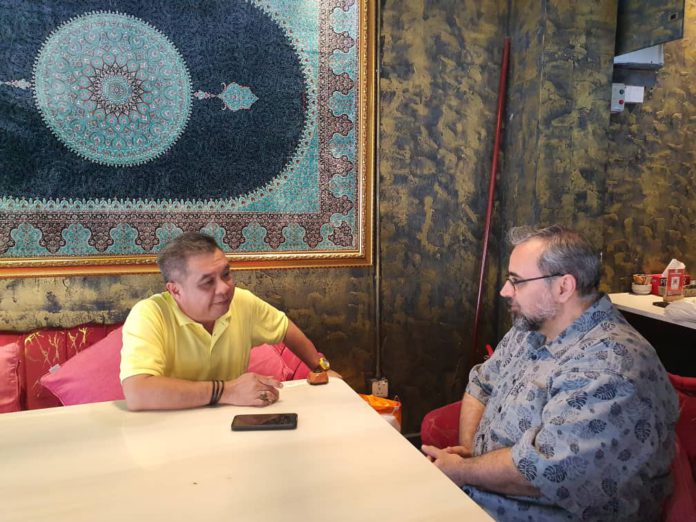
KUALA LUMPUR: Iranian diplomats speak to Sandakan Media Association (Pemassa) Chairman James Leong on Iranian – Malaysian Relationships.

A meeting between diplomats and Pemassa was held in Kuala Lumpur, recently.

Pemassa chairman James (centre) with Dr Habibreza (right) and Dr Mohsen Saraf , the Scientific and Research Counsellor of the Islamic Republic of Iran in Southeast Asia and Oceania.

The first part features the interview with Dr. Habibreza Arzani, Cultural Counsellor at the Embassy of the Islamic Republic of Iran in Malaysia.

Dr. Habibreza was posted to Malaysia last year. He was born in Tehran and hails originally from Esfahan, a significant city in Central Iran, which served as the magnificent capital of the Seljuq and Safavid dynasties.

Esfahan is celebrated for its exquisite beauty, encapsulated in the Iranian adage that “Esfahan is half the world.” This city is also renowned for its wealth of historical buildings, monuments, paintings, and artifacts.

The city’s renown is further reflected in the Persian proverb Esfahān nesf-e-jahān ast, meaning “Isfahan is half (of) the world.”

The Naqsh-e Jahan Square in Isfahan, recognized as one of the largest city squares globally, is a testament to the city’s historical significance and is designated as a UNESCO World Heritage Site.

In his capacity as Iran’s Cultural Counsellor, Dr. Habibreza’s primary responsibility is to collaborate with the Malaysian government on matters of mutual interest.

Having resided in Malaysia for nearly a year, he has observed that Malaysian culture shares numerous similarities with Iranian culture. To the extent that he has never felt like he is living in a foreign land; rather, it feels as though he is at “home”.

This is a testament to the warmth of Malaysian culture, which fosters a sense of unity among people, regardless of their origins.

According to Dr. Habibreza, the Iran Cultural Centre expresses its keen interest in exploring cultural relations with the states of Sabah and Sarawak.

As a Cultural Counsellor in Malaysia, our portfolio encompasses a diverse array of initiatives. Quran diplomacy is one of the important project amongst Muslim country.

Cultural exchanges in the realms of art, such as batik and khatam, as well as traditional performances like wayang kulit and khemeh shab bazi (marionette puppetry).

Exchange of precious stones, such as Firouz stone from Iran and Sabah’s pearl from Malaysia, is another field of cooperation.

In the spheres of science and culture, we have established Memoranda of Understanding (MoU) with several esteemed universities and we have collaboration with some universities such as: Universiti Putra Malaysia (UPM), Universiti Malaya (UM), International Islamic University Malaysia (IIUM), International Institute of Islamic Thought and Civilization (ISTAC), Multimedia University (MMU), Universiti Pendidikan Sultan Idris (UPSI), and Asia Pacific University (APU).

Earlier this year, the Asia Pacific University (APU) hosted the ‘Nowrooz Celebration,’ which was attended by representatives from countries such as Turkiye, Azerbaijan, Turkmenistan, Kyrgyzstan, and Azerbaijan.

The Nowrooz festival marks the beginning of the New Year on the Persian Calendar and has been celebrated for over 7,000 years.

Iran-Malaysia relations to continue to boost cultural bonds. His Excellency Valiollah Mohammadi Nasrabadi, the Ambassador of the Islamic Republic of Iran to Malaysia said “the strong and unique bond between Malaysia and Iran, rooted in cultural and civilizational elements, has flourished over the last four decades”.

Therefore we hope that the bilateral relation could be further strengthened, including in the field of education, economy, science and technology.

The Iran Cultural Centre is pleased to announce the upcoming expansion of its artist exchange program, which will include students and lecturers from universities in both Malaysia and Iran.

As previously mentioned, we are diligently working on Memoranda of Understanding (MoUs) with potential partner universities in Iran, aiming to establish as many collaborative relationships as possible.

To date, we have successfully translated the works of Maulana Rumi into English, undertaken by the late Dr. Ajmal, and “Kimiya Saadat” (translated as “Ramuan Kebahagiaan”) into Bahasa Melayu, as part of a collaborative project with Inisiatif Buku Darul Ehsan (IBDE).

Additionally, the Iran Cultural Centre is in the process of coordinating a master class and a Film Festival, as well as facilitating the supply of Iranian dramas and movies to Malaysia’s National Television Channel.

This is being done in collaboration with Malaysian broadcasting entities, the National Film Development Corporation Malaysia (FINAS), GSC Malaysia cinema, and renowned celebrities such as Hafiz Hamidun, Bront Palarae, and Hassan Abd Muthalib, the latter of whom is recognized as the ‘Father of Malaysian Animation.’

The Iran Cultural Centre expresses its keen interest in exploring cultural relations with the states of Sabah and Sarawak.

As part of our strategic plan, we are considering the organization of an art exhibition in these two states, in collaboration with the Ministry of Tourism, Arts and Culture, the Ministry of Higher Education, and the Ministry of Communications of Malaysia.

On the Gaza conflict, and what both Iran and Malaysia can do more to assist the oppressed Palestinians in Gaza, Dr Habibreza says he would like to formally state that the oppression of Palestinians in Gaza is not merely a matter of concern for Islamic and Arab nations, it has evolved into a global humanitarian issue.

Recently, we have witnessed positive statements and expressions of support for the Palestinian cause from various countries, including China, Russia, the African Union, Brazil, Spain, and Ireland. Iran’s Supreme Leader, Ayatollah Seyed Ali Khamenei, has articulated that the Zionist regime is not a legitimate government but rather a network of criminals, an alliance of killers and terrorists.

As the Cultural Counsellor of Iran, Dr. Habibreza is honoured to stand alongside the Malaysian people, who vehemently support the oppressed Palestinians and work tirelessly to help end the atrocities in Gaza. Since the inception of the Islamic Revolution 46 years ago, and even prior to the establishment of the Islamic Republic, Imam Khomeini condemned the Zionist regime.

Imam Khomeini emphasized the fight against Zionism as one of the fundamental pillars of his revolutionary movement. The people of Palestine must shape their future through official elections.

Speaking on the future of Malaysia and Iran’s bilateral relationship, Dr. Habibreza noted that it is imperative that we enhance our bilateral relations with Malaysia, extending beyond cultural exchanges to encompass various other domains such as science, industry, technology, and commerce.

He is confident that both Malaysia and Iran possess the potential to achieve significant growth together.

Meanwhile, on the US sanction against Iran, Dr. Habibreza says since the inception of the Islamic Revolution in Iran, the nation has faced a series of sanctions, which persist to this day and are expected to continue.

However, they view these economic embargoes as catalysts for their growth and self-sufficiency. Despite these challenges, Iran has achieved comprehensive industrial and technological advancements, covering a wide range of sectors from A to Z.

Notably, Iran has successfully harnessed nuclear energy for peaceful purposes, demonstrating our nation’s commitment to scientific progress and innovation.

It is important to underscore that Iran is a nation that values peace and harmony. Our religious principles strictly prohibit the development and use of nuclear weapons, considering such actions as forbidden (haram).

As a nation, we are dedicated to maintaining a strong and resilient stance, free from any form of oppression or aggression.

As an Iranian, he is honoured to collaborate with Malaysia, the country with diversity, that has achieved significant development. Together, we can foster mutual respect and cooperation for the betterment of our peoples. – By Sandakan Media Association (Pemassa) Chairman, James Leong

]]>
https://sabahmedia.com/2024/08/02/iran-cultural-centre-keen-in-exploring-cultural-relations-with-sabah-sarawak/feed/ 0 58469