





English – Sabah Media https://sabahmedia.com The Voice of Sabah Tue, 14 Jul 2026 09:15:39 +0000 en-US hourly 1 https://wordpress.org/?v=7.0.2 https://sabahmedia.com/wp-content/uploads/2024/04/cropped-s_icon-32x32.png English – Sabah Media https://sabahmedia.com 32 32 189073890 Witness: JMG satisfied WRSB had operational rights before approving OMS, EIA remains valid https://sabahmedia.com/2026/07/14/witness-jmg-satisfied-wrsb-had-operational-rights-before-approving-oms-eia-remains-valid/ https://sabahmedia.com/2026/07/14/witness-jmg-satisfied-wrsb-had-operational-rights-before-approving-oms-eia-remains-valid/#respond Tue, 14 Jul 2026 09:15:34 +0000 https://sabahmedia.com/?p=99862
Read Time:1 Minute, 16 Second

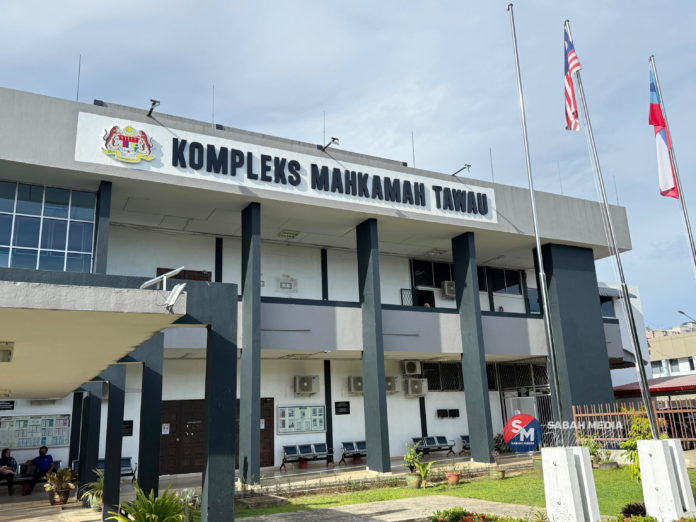
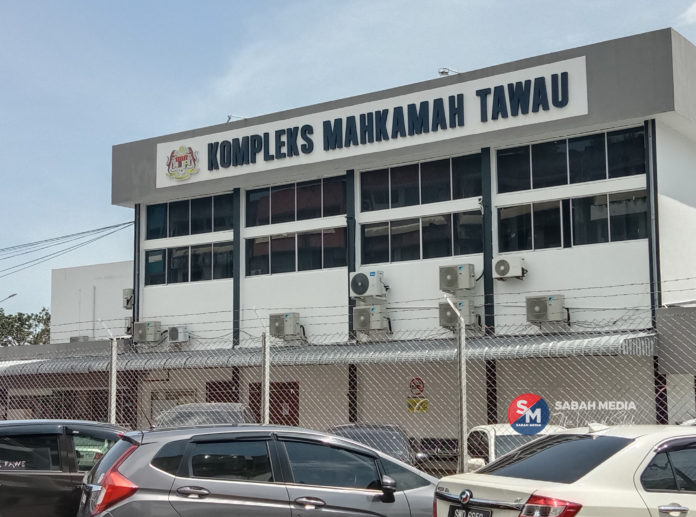
TAWAU: The High Court here on Wednesday heard testimony that the Department of Minerals and Geoscience (JMG) approved the Operational Mining Scheme (OMS) for Wullersdorf Resources Sdn. Bhd. (WRSB) only after being satisfied that the company had sufficient operational rights, while the Environmental Impact Assessment (EIA) approval remains valid.

The evidence was given by the plaintiffs’ fourth witness, Wong Ji Yung, former Chief Operating Officer (COO) and current Chief Financial Officer (CFO) of AuMas and WRSB said this was based on his understanding of JMG’s OMS approval process.

According to Wong, WRSB submitted the first injunction order as part of its OMS application to demonstrate that, pending the outcome of the related legal proceedings, the company retained the right to continue using the facilities built for its mining operations.

He told the court that JMG had taken the injunction into consideration, noting that the OMS approval contains a clause stating that it remains valid until its expiry date or until the outcome of the related legal proceedings.

The testimony formed part of the ongoing civil trial involving AuMas Resources Berhad and Wullersdorf Resources Sdn. Bhd. (WRSB), with proceedings being heard before Judicial Commissioner Steve Ritikos.

The plaintiffs are represented by Norbert Yapp & Associates together with Azimi Yahya, while the defendants are represented by Andy Tay & Associates, Lawrence Chai, and Peter Soong & Partners.

The High Court subsequently adjourned the trial until July 27, when the cross-examination of the plaintiffs’ consulting mining engineer, Ir. Dr. Selamat Aliman, is scheduled to continue.

]]>
https://sabahmedia.com/2026/07/14/witness-jmg-satisfied-wrsb-had-operational-rights-before-approving-oms-eia-remains-valid/feed/ 0 99862
Cross-Examination Focuses On Analysis Behind Alleged Loss of 41 Gold Dore Bars https://sabahmedia.com/2026/06/26/cross-examination-focuses-on-analysis-behind-alleged-loss-of-41-gold-dore-bars/ https://sabahmedia.com/2026/06/26/cross-examination-focuses-on-analysis-behind-alleged-loss-of-41-gold-dore-bars/#respond Fri, 26 Jun 2026 15:11:26 +0000 https://sabahmedia.com/?p=98945
Read Time:3 Minute, 29 Second

TAWAU: Issues surrounding the analytical basis and evidence used to support allegations involving the disappearance of 41 semi-refined gold bars (gold dore) became the central focus of civil proceedings at the Tawau High Court on Thursday.

The hearing before Judicial Commissioner Steve Ritikos continued with the cross-examination of the fourth plaintiff witness, Wong Ji Yung, by counsel for the defendants, Andy Tay. The plaintiffs were represented by counsel Norbert Yapp and Azimi Yahya.

The cross-examination centred on the methodology, reference documents and conclusions relied upon by Wong in relation to the alleged loss of the 41 gold dore bars.

In response to questions from the defence lawyer, Wong explained that his witness statement was not based solely on information provided by others, but was derived from his own analysis of documents, photographs and related materials after joining the company.

Proceedings then focused on the basis of his analysis concerning the alleged loss of the 41 gold dore bars. When it was suggested that the analysis relied only on serial number comparisons, Wong disagreed. He testified that his findings were based on a comprehensive review of documents, photographs, operational records and the broader context surrounding the matter.

Wong also referred to documents from the Inland Revenue Board (IRB), which he said mentioned 41 gold bars that had not been reported as sales. However, the defence lawyer argued that the documents related to unreported income or sales issues and did not constitute official confirmation of any missing or misappropriated gold.

During the proceedings, Wong listed several serial numbers which, according to his analysis, were linked to the 41 gold dore bars. The defence lawyer subsequently produced a number of invoices and royalty payment documents which he claimed showed that some of those serial numbers had been recorded as sales transactions.

The defence suggested that the existence of such invoices contradicted allegations that the gold bars were missing. Wong disagreed, explaining that some of the documents referred to were reprinted copies generated for royalty payment purposes, and that the status of any transaction should be assessed together with other relevant records.

He further stated that one of the issues identified in his analysis involved alleged discrepancies between serial numbers stated on invoices and those shown in photographs of certain gold bars.

The defence also raised questions regarding access logs, biometric systems, key registers and CCTV recordings that could potentially indicate whether any individual exercised exclusive control over the gold room and production records.

Wong agreed that, based on his understanding, such systems were not in place during the relevant period. He also acknowledged the possibility that other employees and third parties may have had access to certain operational areas, although he could not confirm this as he was not employed by the company when the events in question occurred.

He maintained, however, that the individuals in charge ultimately bore responsibility and accountability.

The defence further suggested that allegations against certain individuals were speculative in nature. Wong disagreed, stating that his conclusions were based on circumstantial evidence.

The proceedings also examined the interpretation of the term “missing” in relation to the 41 gold dore bars, including whether it referred to gold that had been stolen or gold that had been produced but was not recorded as either sales or company inventory.

Wong testified that his analysis indicated there were evidence that the gold bars had been produced, based on documentary and photographic records, but had not been reflected in the company’s accounts either as sales or inventory.

The cross-examination also raised the absence of a joint stocktake during the management handover. Wong disagreed that this undermined his analysis, explaining that the alleged irregularities dated back to 2019.

According to Wong, if the missing gold dore bars existed as inventory, they would have been reflected in the company’s financial statements even before the change in management.

Proceedings also addressed documents that had previously been seized by the Malaysian Anti-Corruption Commission (MACC). Wong acknowledged that he had no personal knowledge of how those documents had been stored or handled before being returned.

The hearing was subsequently adjourned and will continue with further cross-examination of the witness.

]]>
https://sabahmedia.com/2026/06/26/cross-examination-focuses-on-analysis-behind-alleged-loss-of-41-gold-dore-bars/feed/ 0 98945
Bukit Mantri Project Boundary Dispute Examined In Tawau Court Hearing https://sabahmedia.com/2026/06/26/bukit-mantri-project-boundary-dispute-examined-in-tawau-court-hearing/ https://sabahmedia.com/2026/06/26/bukit-mantri-project-boundary-dispute-examined-in-tawau-court-hearing/#respond Fri, 26 Jun 2026 15:10:00 +0000 https://sabahmedia.com/?p=98947
Read Time:2 Minute, 26 Second

TAWAU: The scope of operational responsibilities within the Bukit Mantri gold mining project emerged as a key issue during civil proceedings between AuMAS Resources Berhad (AuMas) and its subsidiary Wullersdorf Resources Sdn Bhd (WRSB), and Southsea Gold Sdn Bhd (Southsea) at the Tawau High Court on Wednesday.

The hearing, presided over by Judicial Commissioner Steve Ritikos, focused on the cross-examination of plaintiff’s fourth witness, Wong Ji Yung, formerly Chief Operating Officer and now Chief Financial Officer of AuMas and WRSB, concerning the extent of WRSB’s responsibilities within the project area.

Earlier in the trial in May, Wong had acknowledged that WRSB does not possess an Environmental Impact Assessment (EIA) under its own name, but maintained that the company’s operations remain lawful as WRSB is operating legally under the EIA approved for the project and registered under Southsea, through a Memorandum of Agreement (MOA) under which the benefit of the EIA approval is extended to WRSB.

During the proceedings, Wong maintained that WRSB’s responsibilities covered an area referred to as the “project boundary”, which he said was defined by the EIA documentation and the project’s Operational Mining Scheme documents.

Counsel Andy Tay for the opposing party challenged that position, arguing that WRSB’s rights and obligations should be confined to the area covered under the sub-lease agreement and questioning the legal basis of the alleged project boundary which extends beyond the sub-leased area.

The witness disagreed, contending that WRSB’s responsibilities as project operator encompassed the entire area covered by the approved EIA report including the area outside the sub-leased area.

The court also heard arguments regarding the interpretation of the MOA, including whether the document extended WRSB’s responsibilities beyond the sub-leased area.

Wong further testified that compliance with EIA requirements fell under WRSB’s responsibilities as project operator, despite certain EIA-related documents having been signed by Southsea as the project applicant.

According to the witness, any enforcement action by the authorities arising from activities within that boundary, including a potential stop-work order, would have a direct impact on WRSB’s mining operations and the company’s commercial interests.

The proceedings also examined works involving the drainage system and the Tailings Storage Facility (TSF), including disputes over whether the modifications were carried out within the approved project area or constituted an expansion beyond the original project perimeter.

Counsel for the opposing party questioned both the necessity and scope of the works.

Wong told the court that the modifications were undertaken on WRSB’s existing operational facilities within the project boundary, and in response to issues he alleged were caused by acts of sabotage.

AuMas had previously announced in May 2025 that incidents involving interference by Southsea had resulted in a breach of the TSF.

The hearing continues with further cross-examination on issues relating to operational responsibility, EIA compliance and the interpretation of agreements that remain central to the dispute between the parties.

]]>
https://sabahmedia.com/2026/06/26/bukit-mantri-project-boundary-dispute-examined-in-tawau-court-hearing/feed/ 0 98947
YTL Highlighted as Example of Successful Global Investment in UK Utilities Debate https://sabahmedia.com/2026/06/26/ytl-highlighted-as-example-of-successful-global-investment-in-uk-utilities-debate/ https://sabahmedia.com/2026/06/26/ytl-highlighted-as-example-of-successful-global-investment-in-uk-utilities-debate/#respond Fri, 26 Jun 2026 14:49:13 +0000 https://sabahmedia.com/?p=98939
Read Time:1 Minute, 29 Second

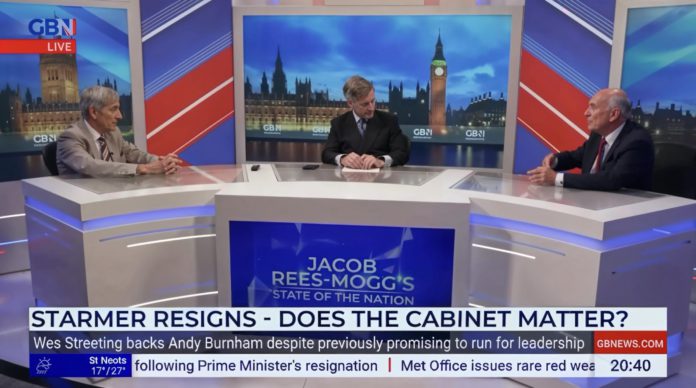
KUALA LUMPUR: YTL Corporation Berhad was cited as an example of successful cross-border investment during a debate on the future of Britain’s utility sector, with panellists pointing to the Malaysian company’s ownership of Wessex Water as evidence of the benefits of international capital markets.

Speaking during a discussion on GB News, one panellist defended foreign investment in essential utilities, arguing that YTL’s investment had delivered value not only to the company but also to institutional investors in the United Kingdom.

He said that while managing British pension funds, including the City of Edinburgh Pension Fund, investments in YTL generated returns for pensioners through dividends derived from Wessex Water’s operations.

According to the panellist, the arrangement demonstrated how global capital markets allocate investment efficiently by enabling long-term infrastructure assets to attract funding while providing sustainable returns for investors.

He also defended YTL’s stewardship of Wessex Water, saying the company had invested substantially in upgrading and maintaining the utility’s infrastructure.

“Wessex Water is one of the best water companies in the country,” he said, adding that the company’s performance reflected the long-term investment made by its shareholders.

The discussion arose amid calls by some commentators for Britain’s utilities to be returned to public ownership. Supporters of nationalisation argued that strategic assets such as water, gas and electricity should remain under domestic control.

However, advocates of the current investment model countered that renationalising utility companies would require significant public expenditure and ultimately place a heavier financial burden on taxpayers.

The debate highlighted YTL Corporation’s role as one of the few Malaysian companies managing critical infrastructure assets in a developed market, underscoring its presence in the global investment landscape and the growing recognition of Malaysian corporations in international infrastructure ownership.

]]>
https://sabahmedia.com/2026/06/26/ytl-highlighted-as-example-of-successful-global-investment-in-uk-utilities-debate/feed/ 0 98939
Talk about Sabah first before the Rohingya https://sabahmedia.com/2026/06/18/talk-about-sabah-first-before-the-rohingya/ https://sabahmedia.com/2026/06/18/talk-about-sabah-first-before-the-rohingya/#respond Thu, 18 Jun 2026 08:34:26 +0000 https://sabahmedia.com/?p=98399
Read Time:6 Minute, 14 Second

Opinion Piece by Sabah Ali BahBah

It seems the whole internet is ablaze with commentary about the Rohingya refugee crisis in Malaysia. Looking past the almost boiling racial tensions, perhaps it should be said that many Malaysians already saw the hypocrisy of Malaysian netizen sentiments to assist the Rohingyas with entry in Malaysia as a serious threat to our already very peaceful and racially harmonius nation – Or perhaps, was it Sabahans who saw the looming crisis coming and silently murmured to themselves “Well, now you will know”

It doesn’t take alot of effort for someone to see that Sabah has been waging it’s silent war against illegal migrants from the Philippines for decades, alebit without any real sympathy from the rest of Malaysia for trying its best in dealing with the intrusion this silent battle has shaped local policies, revamped social views and even resulted in security concerns unheard of else where across Malaysia.

When a group of PTI illegally built their huts on public beaches in Sabah, Malaysian netizens were quick into calling Sabahans “barbaric” for burning and tearing these huts down. Now, when an illegal housing flat was discovered in Selangor’s Hulu Langat, that had almost 30 units for Rohingya refugees to rent, the government in a matter of days was quick to literally dismantle and destroy the property, singing praise from netizens.

In a more recent example – the outrage created from once respectable news papers like The Star and Malaymail came out with twisting the portrayal of Sabah’s progress when it came to the Unicef SCWI (Sabah Child Welfare Index) Report as inferring specifically that the Sabah’s government had nefariously made improvished illegal migrant children a target, despite Unicef themselves praising actual real effort and policy changes and discussions being had with the state government of Sabah.

Today, with all their hypocrisy and false digital virtue signalers, the affirmative action social groups who once championed the Rohingya refugeee communities as “vulnerable” and “victims” call out these Rohingyas as “Parasites” or more politically concerning “A problem”.

When the Rohingya refugee crisis broke out on the web, most of those who read the news may have noticed a consistent trend of Rohingya related crimes and incidences being reported more often that usual. It was all sparked however by a Rohingyan University of Sydney graduate’s speech on mistreatment in their time in Malaysia, with her claims of mistreatment of Rohingyan Children being placed in detention behind bars, that stirred and boiled over for what seemed like an already agitated Malaysia.

For Sabahans, it was probably quite bemusing to see the comments and sudden shock therapy that most Malaysians suddenly felt over the unhappiness – the kind of talk that sounded like a broken record in the ears of Sabahans who have been all too familiar for the last 50 years of dealing with foreigner and migrant PTI problems, and even then, the overwhelming feeling of abandonment from the rest of Malaysia who sat from their ivory towers and high horses to say it was a state problem was simply ironic.

Although the PTI problems of Sabah and the Rohingya refugees are academically considered different groups, based upon their own definitions of suffering, it is clear that what Malaysians are today facing are issues related to foreigners entering their beloved country, and causing social problems. It would be important to note that Malaysia is not a signatory to the 1951 UN Refugee Convention, the related 1967 Protocol (Relating to the Status of Refugees) and does not actually have a legal obligation or framework to support any refugees entering the country.

So where does Sabah stand when looking upon this issue? How can Malaysia learn from the lessons experienced in Sabah?

When the Project IC scandal erupted, introduced by (still unproven) political powers of yester year, where hundreds if not thousands of PTI groups across Sabah were issued the blue Mykad, with the condition that so long as these new Sabahans voted for them, it became clear in the hearts of many original Sabahans, they would pay the price for the political greed and ambition of powers not even from Sabah.

In a modern example, the political opponents of the state weaponized the PTI population with promises of reform, identification, rationalization, humanitarianism, all the public relation buzz words usable to rally up the impressionable youth via their Cytro Tiktok & Social media posts.

The 2024 protests in front of the chief minister’s office with the mask of virtuous liberation, demanding a simple request for water supply, was marred by reports that many of the protestors were infact PTI paid by political groups to attend, it comes across as a bitter reminder of what lengths political masterminding will do – When the state presented it’s report findings that many of the water connections had been illegally tapped and redirected to PTI slum communities, it became clear, there was no middle ground to be had between the government and the people. This collapse in perception, especially because financially incentivized illegal migrants rallied, is a problem yet unfaced in other states of Malaysia.

When an entire water village burns down in Sandakan’s Kampung Bahagia in early 2026, and global news spread and condemned such a tragedy – but comparatively, the question about the population of actual legal Sabahan citizens against the illegal PTI settlers there wasn’t even raised, even when the Chief Minister of Sabah went to the ground and offered an immediate cash aid of RM2000 to each household, there were already WhatsApp messages shared around claiming “it was an attempt to catch the illegals, don’t go”.

When it came to the long term problems faced, in 2016, DAP’s Chan Foong Hing declared “They should dissolve ESSCOM” yet when the Eastern Sabah Security Command was setup, composed of the top anti-terrorism operators in Malaysia, and successfully quelled the RSF insurgency, it was Sabahans that let out a breath of air for the first time.

Even in 2019, when DAP worked with the then Warisan Government, Shafie disagreed with disbanding ESSCOM, notably since he himself was the representative of Semporna, which perception wise holds the highest population of Sulu & illegal PTI population.

When Prime Minister Anwar Ibrahim swiftly mentioned to the media “Rohingya refugees must abide by the law or face action” a realisation occurred – All it took was for a proportionately smaller population of an estimated 200,000 Rohingya refugees to have a sitting Prime Minister speak up, yet against a conservatively estimated over 1,000,000 PTI population in Sabah, what support is being mentioned for the people of Sabah?

The sentiment against the Rohingya and the PTI are both issues in their own right, but if the rest of Malaysia continues to ignore the lessons learned from Sabah, then it truly would run counter to the Malaysian spirit of Madani.

Ultimately, the policy of government needs to reflect serious reforms especially when it comes to the historical practices of political exploitation of foreigner communities for political agendas.

The Rohingya debate is not simply about refugees. It is a reminder that issues once dismissed as “Sabah’s problem” have eventually become national issues, just with a different demographic group. Whether Malaysia chooses to learn from Sabah’s experience – or repeat its mistakes – will define the country’s migration policy for decades to come.

]]>
https://sabahmedia.com/2026/06/18/talk-about-sabah-first-before-the-rohingya/feed/ 0 98399
Prolonged West Asia Crisis Erodes Malaysia’s Manufacturing Competitiveness, Says FMM https://sabahmedia.com/2026/06/11/prolonged-west-asia-crisis-erodes-malaysias-manufacturing-competitiveness-says-fmm/ https://sabahmedia.com/2026/06/11/prolonged-west-asia-crisis-erodes-malaysias-manufacturing-competitiveness-says-fmm/#respond Thu, 11 Jun 2026 09:58:28 +0000 https://sabahmedia.com/?p=98072
Read Time:2 Minute, 15 Second

KUALA LUMPUR – Malaysia’s manufacturing sector is facing mounting commercial losses as the prolonged West Asia crisis continues to disrupt supply chains, with companies increasingly losing orders, customers and investment opportunities, according to the Federation of Malaysian Manufacturing (FMM).

FMM said findings from its Third Survey on the Impact of the West Asia Conflict on Malaysian Manufacturing, Trade and Supply Chains showed that what began as higher freight and energy costs has evolved into a broader competitiveness challenge affecting business sustainability.\

Its president, Jacob Lee Chor Kok, said 87 per cent of the 196 companies surveyed reported that operating conditions had either deteriorated further or remained unchanged, while 65 per cent saw no improvement across their operations since early May.

He said 74 per cent of respondents continued to face production costs that were between 10 and 50 per cent above pre-conflict levels, with freight and logistics remaining the largest cost driver, followed by raw material shortages and higher energy costs.

“The survey indicates that rising costs are no longer a temporary challenge but have translated into real commercial losses.

“Only six per cent of manufacturers are able to pass on higher costs while maintaining margins, while 58 per cent are operating at or below break-even on affected product lines,” he said in a statement on Thursday.

According to the survey, 39 per cent of manufacturers have already lost orders to competitors in less affected markets, 19 per cent have discontinued unprofitable product lines, while nine per cent have lost at least one major customer or contract. Another 19 per cent expect to lose customers if current conditions persist.

The prolonged disruptions are also affecting long-term business decisions, with 42 per cent of respondents implementing workforce adjustments, including hiring freezes and reduced working hours, while 41 per cent have deferred or cancelled investment, automation or expansion projects.

FMM welcomed the government’s recent initiatives, including Bank Negara Malaysia’s SME Stabilisation Relief Facility and efforts to facilitate alternative raw material sourcing, but noted that many mid-tier manufacturers remain ineligible for existing assistance schemes despite facing significant cash flow and financing challenges.

To strengthen the sector’s resilience, FMM urged the government to implement six key measures, including duty and tax relief for alternative-origin raw materials, double tax deductions for crisis-related freight and insurance costs, industrial fuel cost relief, a dedicated financing facility for mid-tier manufacturers, deferment of remaining port tariff increases, and a government-led domestic supplier matching programmed.

FMM said timely and targeted intervention would be critical to prevent temporary disruptions from becoming structural disadvantages that could undermine Malaysia’s industrial competitiveness, investment climate and employment in the longer term.

]]>
https://sabahmedia.com/2026/06/11/prolonged-west-asia-crisis-erodes-malaysias-manufacturing-competitiveness-says-fmm/feed/ 0 98072
UNICEF Commends Sabah Government’s Commitment to Child Wellbeing https://sabahmedia.com/2026/06/05/unicef-commends-sabah-governments-commitment-to-child-wellbeing/ https://sabahmedia.com/2026/06/05/unicef-commends-sabah-governments-commitment-to-child-wellbeing/#respond Fri, 05 Jun 2026 11:39:05 +0000 https://sabahmedia.com/?p=97743
Read Time:2 Minute, 4 Second

KOTA KINABALU: The United Nations Children’s Fund (UNICEF) Malaysia has recognised the Sabah State Government’s commitment to strengthening child wellbeing through its adoption and implementation of recommendations outlined in the 2026 Sabah Child Wellbeing Index (SCWI) Report.

UNICEF Malaysia Representative Robert Gass said the integration of the report’s recommendations into the state’s development planning reflects a high level of accountability and transparency in ensuring that the welfare and future of children remain a priority.

The SCWI 2026 Report, launched jointly by UNICEF Malaysia and the Sabah State Economic Planning Unit (UPEN Sabah), involved 4,441 children and their caregivers across the state through a two-phase study approach.

The first phase was conducted primarily using a random household sampling method, while the second phase employed purposive sampling through community-based outreach programmes.

Overall, the report presented encouraging findings, assessing child wellbeing across six key dimensions using the Alkire-Foster Method and Multiple Overlapping Deprivation Analysis (MODA).

The six dimensions examined were health, growth and development, learning and education, opportunities for play and leisure, social relationships and participation, as well as safety and a harmonious living environment.

Among the key achievements highlighted in the report, 92.3 per cent of children in Sabah have access to healthcare services, while 95.6 per cent have access to mental health and wellbeing services.

The report also found that more than 99.3 per cent of children in Sabah are protected from child marriage.

However, the study identified several challenges requiring urgent attention, particularly those affecting stateless children and children and families without valid identification documents.

According to the report, these groups remain among the most vulnerable and consistently record lower wellbeing outcomes compared to children with complete legal documentation.

In response, UNICEF and the Sabah State Government have put forward a number of recommendations aimed at addressing these issues through a phased and sustained approach.

Meanwhile, UPEN Sabah has decided to incorporate the recommendations into the Sabah Maju Jaya (SMJ) development framework to ensure long-term benefits for both the state and its people.

The move is also in line with Malaysia’s commitment as a signatory to the United Nations Convention on the Rights of the Child (CRC).

In its report, UNICEF acknowledged that implementing the recommendations would present various challenges. Nevertheless, the organisation expressed confidence in the Sabah State Government’s ability to address these challenges progressively and consistently in the years ahead, for the benefit of all children in the state.

]]>
https://sabahmedia.com/2026/06/05/unicef-commends-sabah-governments-commitment-to-child-wellbeing/feed/ 0 97743
SMJ Energy clarifies Sabah’s equity participation in SAMUR project https://sabahmedia.com/2026/05/26/smj-energy-clarifies-sabahs-equity-participation-in-samur-project/ https://sabahmedia.com/2026/05/26/smj-energy-clarifies-sabahs-equity-participation-in-samur-project/#respond Tue, 26 May 2026 09:16:06 +0000 https://sabahmedia.com/?p=97325
Read Time:1 Minute, 42 Second

KOTA KINABALU: SMJ Energy Sdn Bhd has reaffirmed the importance of Sabah’s equity participation and ownership in PETRONAS Chemicals Fertilizer Sabah Sdn Bhd (PCFSSB), better known as the Sabah Ammonia Urea (SAMUR) project.

The Sabah State Government’s wholly-owned energy investment vehicle said the state, through SMJ Energy, holds a 25 per cent equity stake in SAMUR under a commercial collaboration agreement (CCA) with the national oil company.

According to the statement, Sabah has continued to receive consistent financial returns from its strategic equity participation in SAMUR since the signing of the Share Purchase Agreement (SPA) on April 25, 2023.

It said dividends from the project are channelled directly into the state coffers through SMJ Energy for the benefit of Sabahans.

“To suggest that Sabah receives less than what is due from SAMUR is baseless as it disregards the State Government’s drive, favourable commercial terms and strategic decisions that successfully secured Sabah’s ownership in one of the region’s most important petrochemical assets,” the statement said.

SAMUR is currently recognised as the largest single-train granular fertiliser facility in Southeast Asia and the third-largest fertiliser plant in the Asia-Pacific region.

Built on Sabah soil and powered by Sabah gas, the project has positioned Sabah as an important player in the regional fertiliser and petrochemical industry.

SMJ Energy said the positive impact of SAMUR extends beyond the plant itself, with the Sipitang Oil and Gas Industrial Park (SOGIP), where SAMUR serves as the anchor project, attracting substantial committed investments.

The development has also generated significant employment opportunities for Sabahans in engineering, logistics, infrastructure, housing, hospitality and technical services.

“These developments represent long-term, place-based growth that is increasingly being felt across communities in Sipitang and the broader region,” it said.

SMJ Energy also reaffirmed that the Sabah State Government will continue pursuing strategic investments and strengthening partnerships with PETRONAS and other industry players to ensure Sabah’s natural resources continue generating long-term value and sustainable economic benefits for the people of Sabah.

]]>
https://sabahmedia.com/2026/05/26/smj-energy-clarifies-sabahs-equity-participation-in-samur-project/feed/ 0 97325
Sustainability must translate into action, not rhetoric – Dr James https://sabahmedia.com/2026/05/25/sustainability-must-translate-into-action-not-rhetoric-dr-james/ https://sabahmedia.com/2026/05/25/sustainability-must-translate-into-action-not-rhetoric-dr-james/#respond Mon, 25 May 2026 11:41:08 +0000 https://sabahmedia.com/?p=97297
Read Time:2 Minute, 26 Second

By Normimie Diun

KOTA KINABALU: Sustainability should no longer be seen merely as a slogan or aspiration, but must instead be translated into clear policy implementation, effective management, and tangible outcomes, particularly in Sabah’s green energy sector.

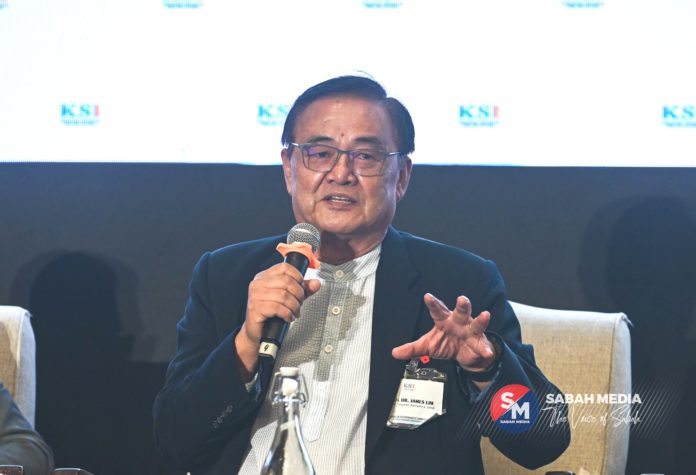
Technical Adviser (Energy) to the Chief Minister of Sabah, Datuk Dr James Lim, said that the state’s sustainable development approach must be grounded in real action rather than conceptual discussion.

He said this when presenting his speaker’s notes at Plenary Session 2 of the World Green & Sustainability Summit 2026 themed Advancing Planet, People, Prosperity and Partnership held at Shangri-La Tanjung Aru Resort on Monday.

According to him, Sabah faces real development needs driven by energy demand, resource strengths, and the pressure for responsible growth.

“Sabah has natural assets, a strategic location and the opportunity to become a model of sustainable growth, but this can only be achieved if policy, investment, infrastructure and implementation are effectively connected,” he said.

Dr James also stressed that in energy management and system development, clarity of information is a fundamental principle that cannot be ignored.

“What cannot be seen cannot be managed,” he said, adding that progress in green energy requires a clear understanding of the current situation, constraints, load growth, system weaknesses and available opportunities.

He, who is also the Group Managing Director of Kumpulan Yayasan Bumiputra Sabah, said sustainability efforts must begin with clarity and sincerity in execution, not merely good intentions.

According to him, Sabah must focus on three key priorities in its energy and sustainability agenda.

First is a practical energy transition that takes into account reliability, affordability and implementation capacity to avoid burdening industry and the people.

Second is trusted collaboration involving the public, private, technical, investor and community sectors with clear coordination and measurable outcomes.

Third is optimising Sabah’s strengths by developing strategies based on local resources including energy, biodiversity, industrial potential and coastal assets without blindly copying external models.

“Sustainability will only succeed when it is built on Sabah’s real strengths and translated into economic value,” he said.

He added that Sabah is currently moving from merely protecting resources to developing industries based on those resources, including renewable energy, the blue economy, ecotourism and carbon markets.

According to him, a stronger energy system will enhance investor confidence and improve project delivery in the state.

Dr James further stressed that sustainability must be practical and directly benefit the people, not just appear good at policy or international levels.

“A green transition that is too costly for the people is not sustainable. Policies that sacrifice the present for the future must be carefully reviewed,” he said.

He added that the real test of sustainability is how far it can be translated into real projects, economic outcomes and long-term benefits for the people of Sabah.

“Sabah needs clear priorities, disciplined implementation, credible partnerships and practical delivery, not more promises,” he said.

]]>
https://sabahmedia.com/2026/05/25/sustainability-must-translate-into-action-not-rhetoric-dr-james/feed/ 0 97297
Rafizi, Nik Nazmi leaving PKR: Will there be by-elections? https://sabahmedia.com/2026/05/19/rafizi-nik-nazmi-leaving-pkr-will-there-be-by-elections/ https://sabahmedia.com/2026/05/19/rafizi-nik-nazmi-leaving-pkr-will-there-be-by-elections/#respond Tue, 19 May 2026 15:56:09 +0000 https://sabahmedia.com/?p=96986
Read Time:2 Minute, 24 Second

THE departure of Datuk Seri Rafizi Ramli and Nik Nazmi Nik Ahmad from PKR has now been officially confirmed, with both leaders voluntarily vacating their parliamentary seats of Pandan and Setiawangsa respectively.

Their move follows the recent takeover of Parti Bersama Malaysia, led by Rafizi and Nik Nazmi, from the party’s founder and long-time president, Tan Gin Theam. The announcement was made a day before written notices were submitted to the Dewan Rakyat Speaker and PKR secretary-general, prompting questions over whether the duo had attempted to avoid falling foul of the Anti-Party Hopping Law.

PKR secretary-general Datuk Dr Fuziah Salleh has since announced that the party will seek clarification from the Dewan Rakyat Speaker on whether the actions of Rafizi and Nik Nazmi contravene provisions under the anti-hopping legislation.

She also indicated that the party may review the involvement of several PKR lawmakers who attended the takeover announcement, including Wong Chen (Subang), Bakhtiar Wan Chik (Balik Pulau), Rodziah Ismail (Ampang), Zahir Hassan (Wangsa Maju), and Lee Chean Chung (Petaling Jaya).

The takeover announcement was widely viewed as a political statement by Rafizi and Nik Nazmi, signalling their intention to establish Parti Bersama Malaysia as a new force in national politics while carefully navigating the anti-party hopping provisions.

Should the Dewan Rakyat Speaker determine that the two parliamentary seats are officially vacant under Article 54(1) of the Federal Constitution, by-elections would ordinarily need to be held within 60 days.

Rafizi and Nik Nazmi have reportedly framed their decision as an effort to uphold political principles and return the mandate to the people rather than pursue personal ambition. Both leaders may also believe they stand a strong chance of retaining their seats, given their political prominence and previous roles within PKR and the MADANI administration.

However, there are constitutional limitations that could prevent by-elections from taking place.

Firstly, no by-election is required if a vacancy occurs less than two years before the expiry of Parliament’s five-year term under Article 55(3) of the Federal Constitution. This threshold was previously six months before being amended to two years.

If this provision applies, voters in Pandan and Setiawangsa could remain without parliamentary representation until the next general election.

Secondly, even if the vacancies occur within the two-year period, a by-election may still be called if the Dewan Rakyat Speaker notifies the Election Commission that the vacancies affect the numerical strength of the ruling coalition in Parliament.

At present, the MADANI coalition continues to hold a comfortable parliamentary majority, including more than a two-thirds majority, meaning the loss of the two seats is unlikely to affect the government’s stability.

Attention will now shift to whether Rafizi and Nik Nazmi can successfully position Parti Bersama Malaysia as a credible political contender ahead of the next general election.— Editor’s Desk

]]>
https://sabahmedia.com/2026/05/19/rafizi-nik-nazmi-leaving-pkr-will-there-be-by-elections/feed/ 0 96986